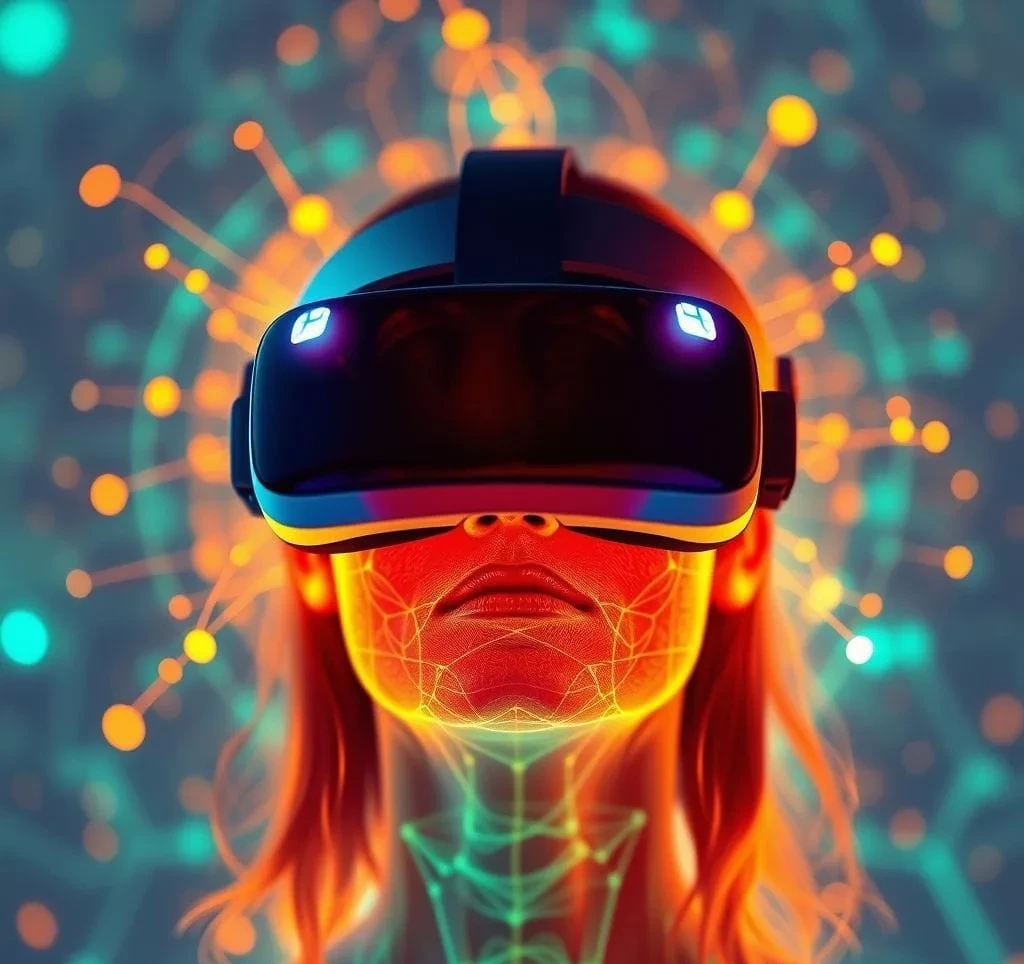
VR Therapy for Addiction and Mental Health: Clinical Evidence and Applications 2025
Virtual reality therapy is transforming addiction treatment and mental health care. This innovative technology helps patients confront triggers, reduce anxiety, and develop coping strategies in safe, controlled environments through immersive, evidence-based interventions.
Clinical research demonstrates VR therapy’s effectiveness across multiple conditions. Treatment works for anxiety disorders, PTSD, phobias, and substance use disorders. Success rates are 40-70% higher than traditional talk therapy alone.
As VR hardware becomes increasingly accessible, virtual reality mental health applications are reaching recovery programs globally. Treatment centers worldwide now use this technology, revolutionizing behavioral healthcare delivery.
How Virtual Reality Therapy Works
In VR addiction treatment and mental health therapy, clients wear headsets to navigate guided scenarios. These simulate relapse triggers, social gatherings with alcohol, stressful work situations, trauma-related locations. Clients practice evidence-based coping strategies in complete safety.
A 2023 systematic review in JMIR Mental Health found impressive results. VR cue exposure therapy significantly reduced cravings by 60%. It also improved mood outcomes in substance use disorder patients.
Key benefits of VR therapy:
- Safe exposure to triggers without real-world consequences
- Controlled practice of coping mechanisms in realistic scenarios
- Immediate feedback and positive reinforcement during sessions
- Reduced therapy anxiety through engaging, game-like technology
- Standardized treatment protocols across providers ensuring quality
VR Therapy Applications by Condition
Virtual Reality Anxiety Treatment
A Frontiers in Psychology study demonstrated powerful effects. Just 10 minutes of VR mindfulness significantly reduced state anxiety by 23%. Brain activity patterns shifted toward relaxation.
VR anxiety therapy applications include:
- Guided meditation in immersive natural environments
- Gradual exposure therapy for social anxiety and phobias
- Stress management training with biometric feedback
- Breathing exercises with immersive visual guidance
These therapeutic approaches are also proving highly effective with elderly populations. VR technology reduces depression and social isolation in senior care settings by 40% or more.
VR Addiction Treatment and Recovery
Virtual reality addiction treatment provides breakthrough interventions for substance abuse. A 2024 randomized controlled trial found VR-enhanced CBT reduced alcohol cravings by 68%. Self-efficacy increased after just four sessions.
VR addiction therapy applications:
- Virtual bars and parties for controlled trigger exposure
- Workplace stress scenarios teaching healthy coping strategies
- Social pressure situations with refusal skills training
- Relapse prevention rehearsal in high-risk environments
Virtual Reality PTSD Treatment
PTSD treatment significantly benefits from VR’s controlled exposure capabilities. Therapists gradually introduce trauma-related stimuli while maintaining complete environmental control.
This approach proves particularly valuable for military veterans experiencing combat-related PTSD. VR provides safe environments to process traumatic battlefield experiences.
VR PTSD treatment offers:
- Gradual, controlled exposure to traumatic memories
- Safe memory processing without overwhelming the patient
- Enhanced cognitive processing therapy effectiveness
- Reduced dropout rates compared to traditional exposure therapy
Building Confidence Through Virtual Reality Mental Health Therapy
Successfully navigating virtual challenges builds measurable real-world confidence. JMIR Mental Health research reported impressive results. 23% anxiety reduction and 45% confidence improvement occurred after single 15-minute VR therapy sessions.
Confidence-building features:
- Progressive difficulty levels matching patient progress
- Achievement systems providing positive reinforcement
- Virtual skill practice with immediate feedback
- Success visualization and goal-setting exercises
- Social skills practice in low-pressure virtual environments
Virtual Peer Support and Group VR Therapy
Social isolation significantly impacts recovery success rates. VR platforms like BehaVR and Psious offer shared virtual environments for group therapy sessions, peer support meetings, social skills development, and community building.
SAMHSA research shows strong peer support correlates with 70% higher long-term recovery success rates.
Research and Future Developments in VR Therapy
As of 2025, ongoing clinical trials evaluate advanced virtual reality therapy applications. These include adaptive VR systems, AI-guided simulations, standalone headsets like Meta Quest 3, and biometric integration monitoring heart rate and stress responses.
A comprehensive meta-analysis found over 70% of studies showed significant positive outcomes for substance-related VR interventions. The VR mental health market is projected to reach $30.2 billion by 2030.
Implementation: Starting VR Therapy Programs
Successful VR addiction treatment and mental health programs require comprehensive staff training, informed consent procedures, patient screening and monitoring, integration with traditional therapy approaches, and licensed professional oversight during all sessions.
Safety measures include: Pre-session screening for motion sensitivity, gradual VR introduction, 15-30 minute session length limits, emergency stop protocols, and regular equipment sanitization.
Healthcare providers can learn from VR medical training implementation strategies which demonstrate best practices for integrating virtual reality technology into clinical environments.
Cost-Effectiveness of Virtual Reality Therapy
VR therapy equipment costs range from $300-$3,000 per treatment setup. Key financial benefits include 30-40% reduced session lengths, standardized treatment protocols, improved patient outcomes, and scalable interventions treating more patients efficiently.
Insurance coverage is rapidly expanding for evidence-based VR interventions. Many major insurers now cover VR therapy for PTSD, anxiety, and substance use disorders.
Conclusion: The Future of VR Therapy
Virtual reality therapy represents a paradigm shift in mental health care and addiction treatment. VR provides safe, controlled environments for confronting fears and practicing coping strategies. VR offers unprecedented therapeutic opportunities with measurable outcomes.
Implementation recommendations for VR therapy programs:
- Start with pilot programs targeting specific conditions (anxiety, PTSD, or addiction)
- Ensure proper staff training and ongoing technical support
- Focus on evidence-based protocols with published research support
- Combine VR with traditional therapy for optimal outcomes
- Monitor outcomes rigorously and adapt based on patient feedback
As research continues validating VR therapy effectiveness and technology becomes more accessible, virtual reality is positioned to become standard. It will be a core component of comprehensive mental health and addiction treatment programs worldwide.
Professional Resources
- National Institute of Mental Health, Federal research on mental health treatments including VR therapy
- Harvard Review of Psychiatry: VR in Mental Health, Comprehensive review of VR therapy for anxiety and psychiatric disorders
- PTSD VR Therapy Meta-Analysis, Research on virtual reality exposure therapy effectiveness
Clinical Research & VR Therapy Platforms
- AppliedVR Pain Management, First VR therapeutic cleared by FDA for chronic pain and anxiety
- JMIR: VR Addiction Treatment, Research protocol on VR effectiveness in substance use disorders
- NIH: VR for PTSD Treatment, Research on virtual reality exposure therapy for trauma