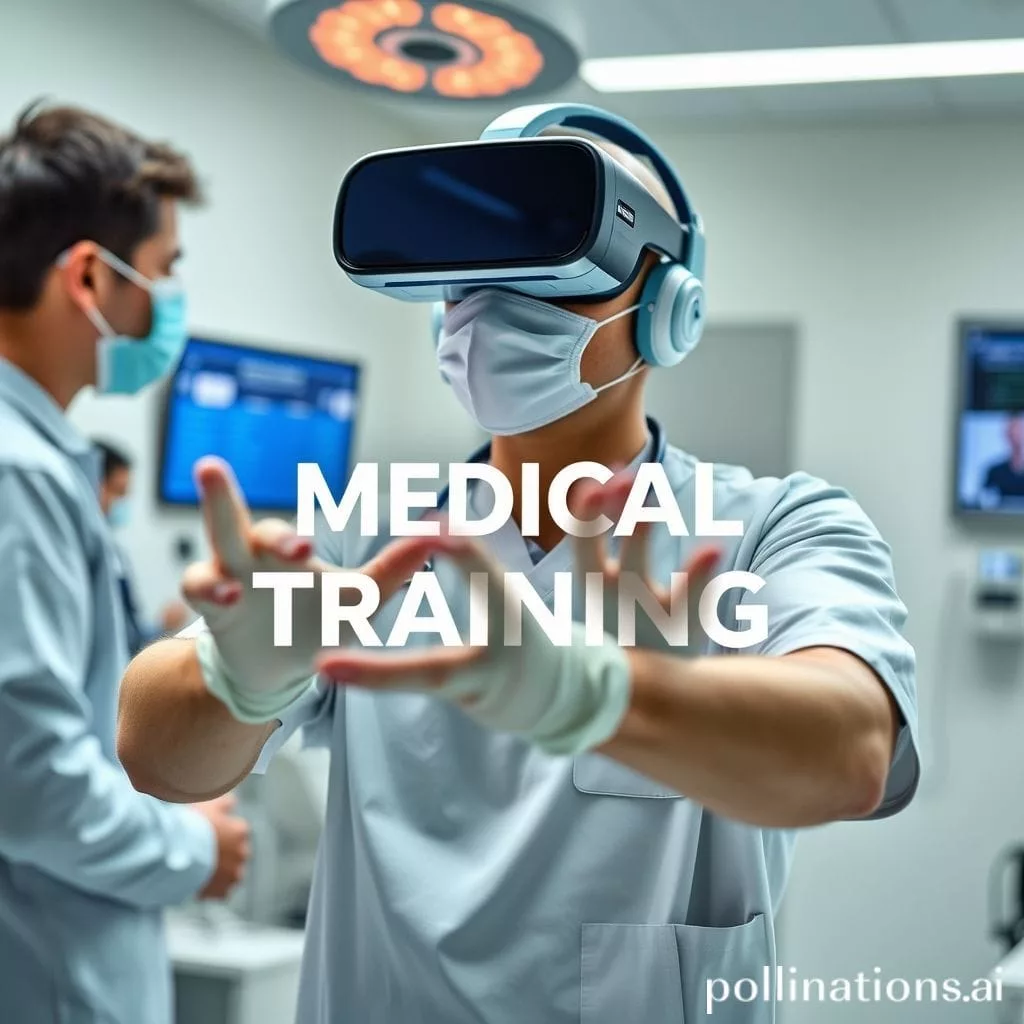
VR Medical Training: How Virtual Reality Transforms Healthcare Education in 2025
VR medical training transforms how healthcare professionals learn. Medical students now practice life-saving procedures in risk-free virtual environments. Virtual reality surgical simulation allows surgeons to master complex operations without patient risk. The results? A 230% improvement in surgical performance according to Yale University research. Patient safety outcomes improve dramatically.
Traditional textbook learning can’t adequately prepare students for real surgical scenarios. This revolutionary technology addresses that critical gap. VR healthcare education platforms provide immersive, repeatable experiences. They accelerate learning while protecting patients.
Evolution of Medical Training Technology
Traditional medical training long depended on lectures and textbooks. Hands-on practice was limited to cadavers. A 2024 scoping review in BMC Medical Education found that 91% of medical students believe technology integration benefits their learning, highlighting demand for immersive education.
Virtual reality medical simulation provides the solution. It creates hyper-realistic 3D anatomical models. These models respond to surgical instruments with tactile feedback. Tissue behavior mimics reality. A 2024 systematic review found remarkable results. VR training improved surgical skills and procedural accuracy while reducing operating room time versus traditional methods.
Benefits of VR Surgical Simulation
Medical VR simulation eliminates ethical concerns about practicing on patients. It provides unlimited practice opportunities. Students can attempt high-risk procedures multiple times without consequence. This builds confidence before entering operating rooms.
Key advantages of VR medical training:
- Zero risk to patients during training sessions
- Unlimited practice of high-risk surgical procedures
- Simulate rare conditions and complications on-demand
- Standardized training across all institutions
- Immediate performance feedback without safety concerns
Research in the World Journal of Transplantation demonstrates significant improvements. VR-trained surgeons show 230% improvement in overall performance. Advanced platforms incorporate haptic feedback technology.
Haptic feedback features:
- Realistic tissue resistance during virtual procedures
- Tactile feedback for suturing and microsurgery
- Force feedback replicating real surgical instruments
- Enhanced muscle memory for complex procedures
Leading VR Medical Training Platforms
Osso VR: Comprehensive Surgical Training
Osso VR offers the industry’s most extensive procedure library. It covers multiple specialties.
Features include:
- 150+ surgical training modules covering orthopedic, spine, cardiovascular
- Multi-user collaborative training environments
- Real-time performance analytics and competency tracking
- Medical school curriculum integration capabilities
Clinical studies show impressive results. Osso VR users demonstrate 230% improvement in overall performance versus traditional training.
FundamentalVR: Haptic-Enhanced Education
Fundamental XR specializes in haptic-enabled surgical simulation.
Platform capabilities:
- Advanced haptic feedback replicating surgical touch
- Precision instrument tracking with sub-millimeter accuracy
- Customizable surgical scenarios for specific procedures
- Real-time performance assessment with AI coaching
- Medical device manufacturer training integration
Additional Leading Platforms
Additional platforms like Strivr provide specialized training across multiple medical disciplines including patient communication and emergency response.
Additional training areas:
- Patient communication skills development
- Emergency response simulation for critical care
- Anatomical visualization and spatial understanding
- Medical ethics scenarios and decision-making
- Continuing medical education for practicing physicians
Implementation in Medical Schools
Leading medical institutions worldwide integrate VR surgical training into curricula. Stanford Medical School’s VR lab reports 94% student satisfaction with VR-enhanced programs.
Documented benefits:
- 40% reduction in training time for specific procedures
- 67% improvement in student engagement and motivation
- 52% decrease in first-time surgical errors
- Enhanced retention in competitive residency programs
- Improved competency assessment standardization
Initial VR setup costs range from $50,000-$200,000. However, institutions report significant long-term savings.
Cost savings through:
- Reduced cadaver needs (saving $30,000+ annually)
- Lower malpractice insurance and liability costs
- Decreased training time and resource allocation
- Improved surgical outcomes reducing complications
- Enhanced institutional reputation attracting top students
Healthcare economics research demonstrates rapid returns. VR training programs achieve positive ROI within 18-24 months.
Emerging Technologies and FDA Regulations
Artificial intelligence enhances VR training with personalized learning. AI-powered systems adapt to individual learners.
AI features include:
- Adaptive difficulty levels matching learner progress
- Real-time coaching during procedures
- Unlimited scenario generation for varied practice
- Predictive needs assessment identifying skill gaps
- Personalized learning pathways optimizing efficiency
The future combines VR with Augmented Reality (AR).
VR/AR hybrid applications:
- Digital overlays onto real anatomical models
- Guided instruction during actual procedures
- Remote mentoring connecting experts with learners
- Hybrid training environments bridging virtual and physical practice
Many VR platforms now receive FDA approval for specific applications. This ensures training quality and safety standards. Platforms offer Continuing Medical Education (CME) credits for practicing physicians. PrecisionOS received FDA clearance for its VR surgical planning tool for orthopedic training.
Global Impact and Accessibility
VR healthcare education makes quality medical training accessible worldwide. It reaches institutions in developing countries and underserved areas.
Global health applications:
- Surgical training in resource-limited settings
- Remote learning from world-class medical centers
- Standardized training quality reducing healthcare disparities
- Capacity building in emerging healthcare markets
VR medical training helps address critical workforce shortages.
Workforce development benefits:
- Accelerated training timelines for new practitioners
- Accessible continuing education for rural workers
- Specialization without relocation constraints
- Career advancement through accessible skill development
Conclusion: The Future of Medical Education
VR medical training represents a fundamental transformation. It offers unprecedented opportunities for safe, effective, accessible learning. The evidence overwhelmingly supports virtual reality.
Key outcomes:
- 230% improved surgical performance
- 52% reduction in first-time errors
- 40% faster training completion
- 18-24 month positive ROI
- Global accessibility breaking geographic barriers
Implementation recommendations:
- Start with pilot programs in high-volume procedures
- Invest in faculty training and ongoing support
- Integrate with existing curricula rather than replace
- Focus on measurable outcomes and competency assessment
- Plan for technology updates and maintenance
Virtual reality is revolutionizing healthcare professional preparation. It marks a new era prioritizing patient safety. Learning efficiency and global accessibility define this transformation. Beyond surgical training, VR extends into therapeutic applications. Virtual reality therapy for addiction and mental health demonstrates how immersive technology benefits patient treatment and recovery.
Professional Resources
- BMC Medical Education VR Review, 2024 scoping review on virtual reality integration in medical education
- ACGME Simulation Standards Study, 2024 analysis of simulation requirements across 21 medical specialties
- National Institutes of Health VR Study, Randomized study on VR training improving operating room performance
- Society for Simulation in Healthcare, Certified Healthcare Simulation Educator professional certification standards
VR Medical Training Platforms & Research
- Fundamental XR Platform, Award-winning VR surgical training with haptic feedback technology
- Osso VR Surgical Training, Evidence-based VR training for surgical teams with outcomes data and published research
- World Journal of Transplantation VR Study, 2023 peer-reviewed research on VR in surgical education
- Systematic Reviews VR Study, 2024 umbrella review on acceptance and use of VR in surgical training
- PrecisionOS Orthopedic Training, FDA-cleared VR surgical planning platform for orthopedic surgery training
- AAMC Virtual Reality in Medicine, Association of American Medical Colleges analysis on VR in medical education